When I was a child growing up in poverty, I dreamed of visiting far-a-way places. My imagination became one of my best friends. I read about different cities and countries in books I borrowed from my under-funded school’s library. The pictures of cities boasted of tall buildings, buildings taller than the ones in Memphis, where I grew up. These pictures evoked a sense of wonder and exploration.
After I graduated high school with honors, Dad surprised me with a trip to Chicago, the city he grew up in. He was born in Mississippi but his parents migrated to Chicago when he was a child. He wanted me to experience another city before starting college 200 miles from home. My older sister and brother-in-law accompanied us on the trip. After exploring the vibrant metropolis known as “Windy City,” the travel bug bit me.
After retiring from my civilian and military careers, I began traveling. Because I grew up in poverty, I’m always curious about reasons for poverty in the places I visit. Are the key factors similar?
My latest adventure was to Canada, a country known for its stunning natural landscapes, long coastlines, diverse geography, and multicultural population. I traveled by motor coach with a group of 40 wanderlusts. It would be my first time visiting the country I dreamed and read about as a child.
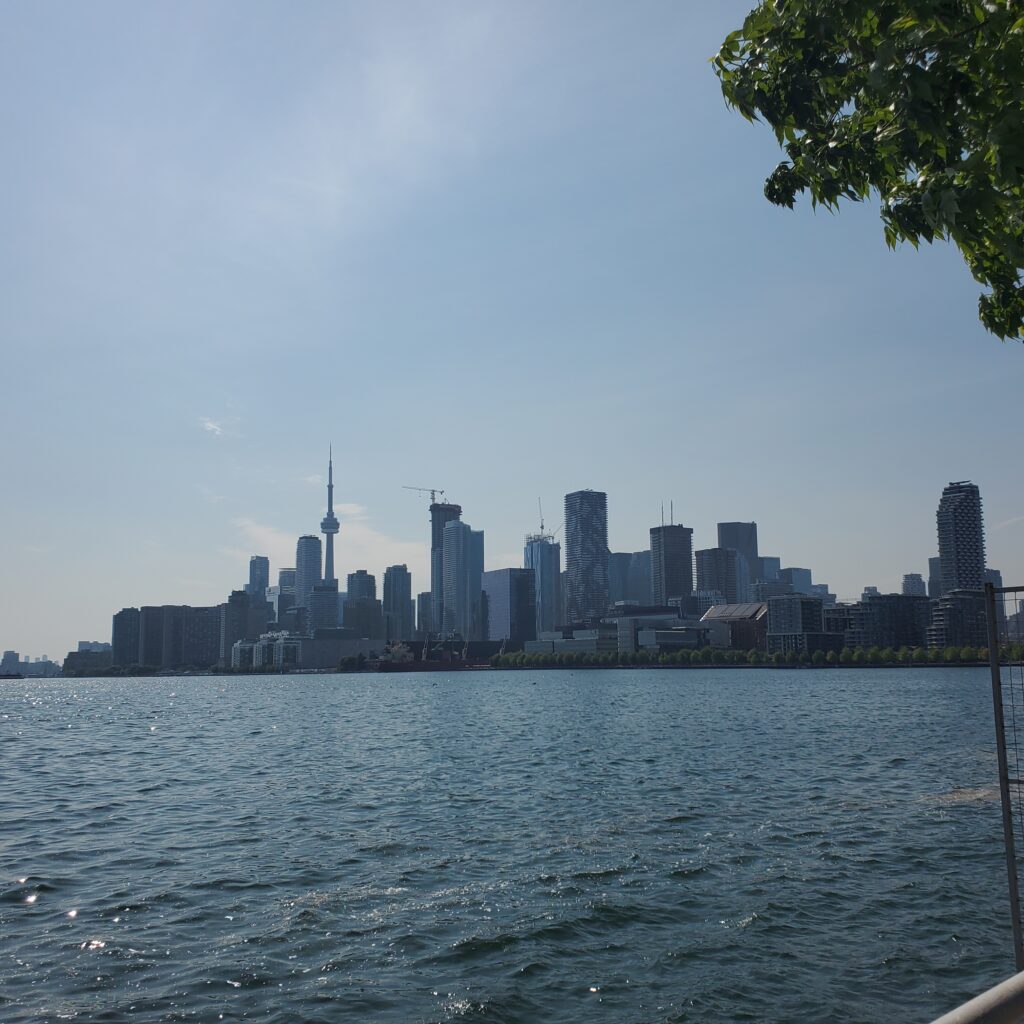
After exploring the breathtaking Niagara Falls, historic St. Catharines, and the beautiful city of Niagara- on –the- Lake, we were ready to take on Toronto the next day! During our nearly two hour trip, our Canadian tour guide, Lisa, shared that she lived in the crowded city of Toronto for a few years. As we approached the beautiful skyline, we were able to see the steel frames of skyscrapers. Commuter trains zipped to and from the city.
I don’t think we appreciated the skills of our motor coach driver until he maneuvered the narrow streets filled with pedestrians and vehicles. My first impression of the city reminded me of Philadelphia or New York. Row houses and businesses aligned the narrow streets. Garbage containers were on some front porches. Construction workers were busy building upwards. There was no more space in this city of nearly 3 million people.
Our guide informed us that Toronto was facing a housing crisis. As a guide, she preferred to share the positive aspects of this big city. We passed tents under bridges where the unhoused population lived. There are more than 10 thousand unhoused people in this big city. There’s a housing crisis and the city is facing a poverty epidemic. According to my research the average one bedroom apartment is approximately $2,500 a month. Evictions are around 77%. High rents and soaring grocery prices has resulted in almost 1 in 4 households relying on food banks.
Almost a quarter of Toronto’s residents reported symptoms of major depressive and anxiety disorders. Indigenous and racialized people are disproportionally affected by use of force and strip searches by police. The city is also facing a drug toxicity crisis because of unregulated drug supply.
According to the 2021 census, approximately 13.2% of the population lives in poverty. The higher levels are among immigrants, seniors (especially older women), and children and families of racialized residents. The poverty rate is around 31% among non-permanent residents. The downtown area appears to be affected more.
Toronto appears to be another city that never sleeps. It’s the most populous city in Canada and the capital city of the Canadian province of Ontario. During the War of 1812, the town was the site of the Battle of York and suffered heavy damage by American troops. In 1834, York was renamed as Toronto.
The city is an important destination for immigrants to Canada. It was interesting to learn that approximately half its residents were born outside of Canada and there are over 200 ethnic origins reported among its inhabitants. The majority of residents speak English, however, there are over 160 languages spoken.
Toronto is an energetic city known for music, theatre, motion picture and television production. It’s also known for its many skyscrapers and high rise buildings. The CN tower is the tallest freestanding structure on land outside of Asia.
It appears many younger people are attracted to the overcrowded city. Apparently, they don’t mind having multiple roommates as long as they are close to the many attractions the city offers. I’m grateful for the opportunity to visit this exciting city, but if I lived there, I would prefer the beautiful smaller cities and commute to the city as necessary.
Francie Mae. June 27, 2025
Reference
Social Planning Toronto. Poverty Reduction. Toronto’s Critical Situation by the Numbers. Toronto, ON. Web. Assessed June 27, 2025.